Why phones are getting more expensive in 2026: the memory shortage, explained
A global shortage of memory chips driven by AI data centers buying up supply is pushing smartphone prices up in 2026. Here’s what’s happening and what it means for buyers.

What’s going on
If new phones feel pricier this year, memory chips are a big reason. A global shortage of DRAM — the working memory inside phones, laptops and servers — has sent component prices climbing. Analysts at Counterpoint Research expect the average selling price of smartphones to rise about 6.9% in 2026, up from an earlier forecast of 3.6%, and they trimmed their shipment outlook because higher prices dampen demand. The squeeze hits budget phones hardest: Counterpoint estimated the bill-of-materials cost for sub-$200 phones rose 20–30% over the course of a year.
Why AI is behind it
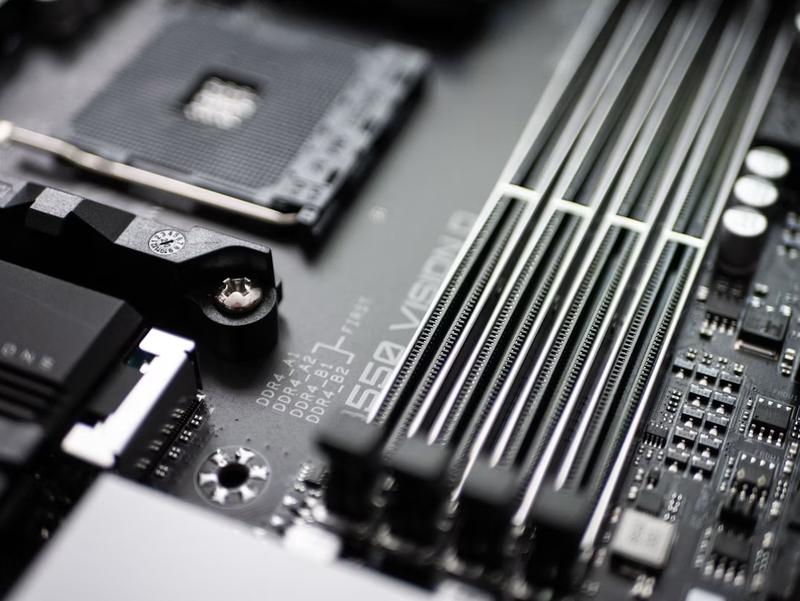
The root cause is a structural shift in who buys memory. The same three companies — Samsung, SK Hynix and Micron — dominate DRAM production, and they’ve been redirecting factory capacity toward high-bandwidth memory (HBM), the specialized, high-margin memory that AI accelerators need. A modern AI GPU can consume an enormous number of DRAM dies, and hyperscale cloud providers have signed long-term deals that lock up supply. Industry analysts estimate data centers could consume around 70% of the world’s memory output in 2026 — a dramatic reversal from a few years ago, when consumer devices took the majority. Because HBM uses far more wafer capacity per usable bit, every wafer sent to AI memory is one not making conventional DRAM for phones.
Why it won’t resolve overnight
This isn’t the pandemic-era chip shortage, which stemmed from supply-chain disruption. This one is a deliberate, capacity-driven reallocation, and new factory capacity takes years to come online. IDC has projected 2026 DRAM supply growth well below historical norms, and IEEE Spectrum reported that new fabs from major makers aren’t expected to reach volume production until 2027 at the earliest. Some suppliers have signaled that consumer relief may not arrive materially until around 2028. There are wild cards — for instance, memory-compression techniques that could ease AI demand, and the ever-present risk that an AI spending slowdown flips the market — but the near-term direction is tighter supply and firmer prices.
How phone makers are responding
- Raising prices. The most direct lever, and the one analysts expect to define 2026.
- Trimming specs. Some makers are re-engineering devices to use less memory, or adjusting base storage and RAM configurations to manage cost.
- Uneven impact. Companies with long-term supply contracts or more vertical integration are better cushioned; Apple was reported to have secured DRAM agreements that softened its near-term exposure, while some Android makers face sharper pressure.
What it means if you’re buying
A few practical takeaways. If you were counting on flagship features trickling down to cheap phones, that trend is stalling for now, so budget models may cost more or offer less memory than you’d expect. If your current phone works fine, there’s little urgency to overpay during a price spike. And if you do buy, weigh how much RAM and storage you actually need — paying a premium for maximum configurations is costlier than usual right now. Pricing and availability vary by region and brand, so it’s worth comparing at the moment you buy.
General information, not financial or purchasing advice. Market forecasts are estimates and can change; prices vary by region, model and retailer. Compiled from reporting as of June 30, 2026.
Sources
- CNBC — Smartphone prices to rise in 2026 due to AI-fueled chip shortage (Counterpoint) — https://www.cnbc.com/2025/12/16/smartphone-prices-to-rise-in-2026-due-to-ai-fueled-chip-shortage.html
- IDC — Global memory shortage crisis: impact on smartphone and PC markets in 2026 — https://www.idc.com/resource-center/blog/global-memory-shortage-crisis-market-analysis-and-the-potential-impact-on-the-smartphone-and-pc-markets-in-2026/
- IEEE Spectrum — AI boom fuels DRAM shortage and price surge — https://spectrum.ieee.org/dram-shortage
- Wikipedia — 2024–2026 global memory supply shortage — https://en.wikipedia.org/wiki/2024%E2%80%932026_global_memory_supply_shortage